

Why Choosing the Right Voiceover Studio Matters
In the world of voiceover work, every detail matters. Each component plays a crucial role in delivering a final product that resonates with clarity, emotion, and professionalism, from the talent behind the microphone to the equipment used.
One of the most critical aspects of this process is microphone selection, which can significantly influence the quality of the recording. For those seeking the best results, partnering with a professional voiceover studio can make the difference between good and great.
The Importance of Microphone Selection in Voiceovers
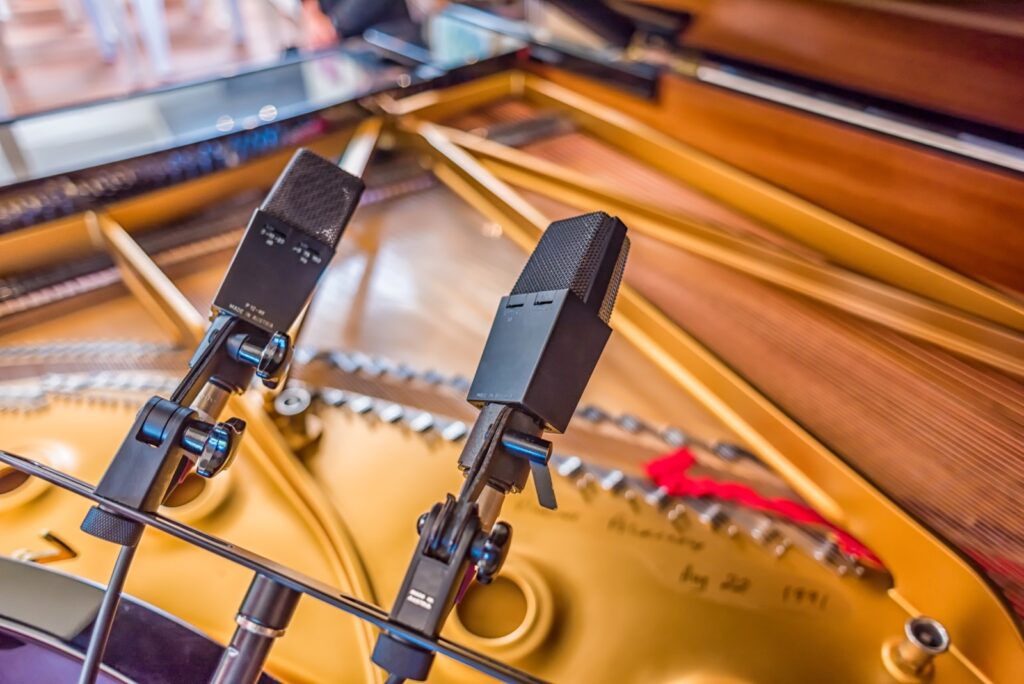
Understanding Microphone Types and Their Impact
The type of microphone used in a voiceover session can dramatically affect the final sound. In a professional voiceover studio, engineers have access to a variety of microphones, each with distinct characteristics suited to different types of voices and recording scenarios.
- Condenser Microphones: These are the most common microphones used in voiceover studios due to their sensitivity and wide frequency response. They are ideal for capturing the nuances of the human voice, providing clarity and warmth that are essential for high-quality voiceovers. Models like the Neumann U87 and the AKG C414 are industry standards, favored for their ability to deliver pristine audio quality.
- Dynamic Microphones: While less sensitive than condensers, dynamic microphones are often chosen for their durability and ability to handle high sound pressure levels. They are particularly useful in broadcast settings or for voices that require a more robust sound. The Shure SM7B, for instance, is a popular choice for radio and podcast voiceovers due to its versatility and smooth, warm sound.
- Ribbon Microphones: Known for their vintage sound, ribbon microphones add a unique tonal quality to recordings. They are often used when a more classic, rich sound is desired, adding depth and texture to the voice. The Royer R-121 is a prominent example, providing a smooth response with a natural high-end roll-off, which can be particularly flattering for certain vocal styles.
Matching the Microphone to the Voice

Not all voices are the same, and neither are microphones. In a professional voiceover studio, engineers meticulously match the microphone to the specific voice being recorded. This involves testing various microphones to determine which one complements the voice’s natural tone, pitch, and style.
For instance, a deep, resonant voice may benefit from a microphone that enhances bass frequencies without causing muddiness, while a brighter, higher-pitched voice might require a microphone that softens harshness and adds warmth. The ability to make these subtle adjustments is what sets a professional voiceover studio apart from a basic recording setup.
Expert Techniques for Optimal Voiceover Recordings
1. Microphone Positioning
Once the right microphone is selected, positioning it correctly is vital to capturing the best sound. In a professional voiceover studio, the placement of the microphone is carefully adjusted to achieve the desired tonal balance and minimize unwanted effects such as plosives or sibilance.
Typically, the microphone is positioned 6 to 12 inches from the talent’s mouth, but this can vary depending on the voice and the project’s specific requirements. Experienced engineers know how to tweak this positioning to control the proximity effect, which can either enhance or detract from the recording depending on the situation.
2. Using Pop Filters and Shock Mounts
To further ensure a clean recording, voiceover studios use pop filters and shock mounts. A pop filter helps reduce plosive sounds—those sudden bursts of air that occur when pronouncing “p” and “b” sounds—by diffusing the air before it hits the microphone. This prevents distortion and ensures a smooth, consistent sound.
Shock mounts, on the other hand, isolate the microphone from physical vibrations and handling noise. This is crucial in a professional setting where even the slightest movement can introduce unwanted noise into the recording. By using these tools, a voiceover studio can maintain the integrity of the sound, allowing the talent’s voice to shine through without interference.
3. Acoustics and Room Treatment
The acoustics of the recording space play a significant role in the quality of a voiceover. Professional studios invest heavily in acoustic treatment to create an environment that enhances the voice rather than detracts from it. This includes using bass traps, diffusers, and absorptive panels to control reflections, reduce background noise, and eliminate echoes.
Recording booths at a studio should be designed with precision to ensure that the voice is captured in the purest form possible. This attention to detail ensures that the final recording is clear, crisp, and free from any unwanted ambient sounds that could compromise the quality.
4. Real-Time Monitoring and Calibration
During the recording process, engineers continuously monitor the sound through high-quality headphones and studio monitors. This allows them to make real-time adjustments to levels, microphone placement, and other variables, ensuring that the voice is captured perfectly.
The ability to make these adjustments on the fly is a key advantage of working in a professional voiceover studio. Experienced engineers have the knowledge and expertise to identify and correct potential issues before they become problems, resulting in a smoother, more efficient recording process.
The Value of a Professional Voiceover Studio
While it’s possible to record voiceovers in a home studio or with basic equipment, the difference in quality when working with a professional voiceover studio is undeniable. Every aspect of the process is optimized to produce the best possible sound, from the selection of high-end microphones to the expert techniques employed during recording.
Why Choose Cherry Beach Studios?
When it comes to voiceover recording, not all studios are created equal. Here’s why Cherry Beach Studios stands out:
- Expertise: Our engineers have years of experience in the industry, working with a wide range of voiceover projects. They understand the nuances of voice recording and are skilled at matching the right microphone and techniques to your specific needs.
- State-of-the-Art Equipment: We invest in the best microphones, preamps, and recording technology to ensure that your voiceover is captured with the highest quality possible.
- Acoustically Treated Spaces: Our recording booths are acoustically optimized to provide the perfect environment for voice recording, free from unwanted noise and reflections.
- Convenient Location: Located in the heart of Toronto, Cherry Beach Studios is easily accessible and offers a comfortable, professional setting for all your voiceover needs.
The microphone selection process and recording techniques employed by a professional voiceover studio like Cherry Beach Studios can significantly impact the quality of your voiceover. Choosing a studio that combines top-tier equipment with experienced engineers ensures that your voiceover project achieves the highest standards of excellence. Cherry Beach Studios is the perfect choice for anyone looking to produce high-quality voiceovers in Toronto.
Whether you’re an established voiceover artist or just starting, our studio offers everything you need to create outstanding recordings to help your voice stand out in the market.
FAQs
What types of microphones are used in voiceover studios?
- Condenser: Sensitive and detailed.
- Dynamic: Durable and handles high sound levels.
- Ribbon: Vintage sound with rich tonal qualities.
How do studios choose the right microphone for a voice?
Studios test various microphones to find the best match for the voice’s tone, pitch, and style.
What factors affect voiceover quality in a studio?
Microphone positioning, use of pop filters and shock mounts, and acoustically treated spaces all contribute to a high-quality recording.
Why choose a professional studio over a home setup?
Professional studios offer expert engineers, high-quality equipment, and optimized recording environments for superior sound quality.